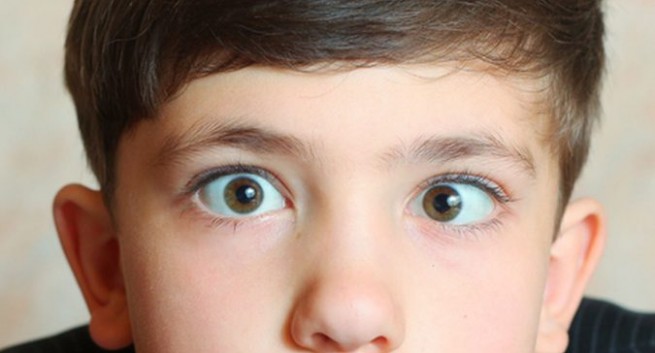
Amblyopia Classification
Last updated: September 2026
- · Classification of Amblyopia
A. Strabismic Amblyopia
1. No associated anisometropia
2. Associated anisometropia
B. Anisometropic Amblyopia (Unilateral )
C. Form Vision Deprivation (amblyopia ex anopsia [unilateral or bilateral])
1 . Sensory deprivation Amblyopia ( media opacity, ptosis etc )
2. Uncorrected high refractive error (ametropic amblyopia)
3 . Astigmatism (meridional amblyopia)
D. Organic Amblyopia
E. Idiopathic Amblyopia
Current treatment evidence (PEDIG)
The Pediatric Eye Disease Investigator Group (PEDIG) has run a series of landmark randomized trials that now form the evidence base for amblyopia treatment — several findings genuinely changed practice away from older, less evidence-based conventions:
- Patching dose matters less than once assumed: for moderate amblyopia (20/40-20/100), 2 hours/day of patching produces improvement equivalent to 6 hours/day or full-time patching in young children — there is no need to default to full-time occlusion for moderate cases
- For severe amblyopia (20/100 or worse), 6 hours/day patching performs comparably to full-time patching — again avoiding unnecessarily aggressive occlusion
- Atropine penalization is equally effective as patching after 6 months of treatment, and weekend-only atropine dosing is equally effective as daily dosing — a genuinely useful compliance-friendly option, particularly for children who resist patching
- Older children can still respond to treatment — PEDIG trials found that children as old as 17 years benefited from patching, especially if not previously treated; contrary to older teaching that treatment beyond the "critical period" (traditionally cited around age 7-8) was futile, treatment initiated in the 7-12 and even 13-17 age groups produces meaningful improvement in a substantial proportion of children
- Escalating patching for treatment-resistant cases: for children who plateau on 2 hours/day, increasing to 6 hours/day produces measurably better improvement than continuing at the lower dose — evidence-based justification for stepping up treatment intensity rather than simply persisting unchanged
Practical takeaway for residents: start with the lowest effective dose for the severity (2 hours for moderate, 6 hours for severe), offer atropine as a genuine equal alternative rather than a second-line fallback, and don't withhold treatment purely on the basis of age — assess and treat older children too, particularly if they haven't had prior therapy.
Key references: PEDIG. A Randomized Trial of Increasing Patching for Amblyopia. Ophthalmology. 2013. | PEDIG. Treatment of amblyopia in children 7-12 and 13-17 years old. | PEDIG. Atropine vs. patching for moderate amblyopia in children 7-12 years.
📘 Want the exam-ready deep dive? This topic, and much more is covered in Ophthalmology Explorer (A High-Yield Clinical Reference for Ophthalmology Residents, Fellows & Board Exams) — available on Kindle. See all my books.
Want to know more about treatment? Read about Squint Treatment at Sadbhaav or book a consultation with Dr. Dhaval Patel.