Tooth Extraction in Ahmedabad
Tooth extraction removes a tooth that's too damaged, decayed, infected, or crowded to save. It's usually considered only after other treatment options — like a root canal — aren't realistic, since keeping a natural tooth is almost always preferable when possible.
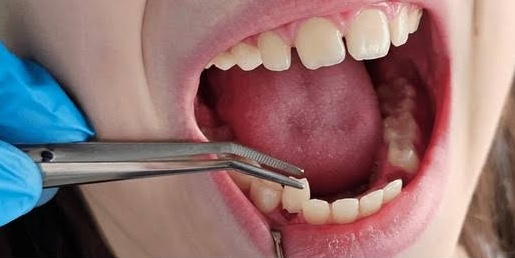
Why a tooth might need to come out
Common reasons include severe decay or infection that can't be treated another way, advanced gum disease that has loosened the tooth, a tooth broken beyond repair, or impacted wisdom teeth causing pain or crowding. Dr. Dhara Patel will always explain why extraction is the right call in your specific case, rather than defaulting to it.
What the procedure involves
The area is thoroughly numbed with local anaesthesia before anything begins. A simple extraction — for a visible, accessible tooth — uses an instrument to gently loosen the tooth before removing it. A surgical extraction, needed for impacted or broken teeth, involves a small incision to access the tooth safely. Either way, the goal is a controlled, comfortable removal.
Recovery and aftercare
A blood clot forms in the socket immediately afterward, and protecting it matters — avoid rinsing, spitting forcefully, or using a straw for the first 24 hours, since dislodging this clot causes a painful complication called dry socket. Mild bleeding, swelling, and tenderness for a few days are normal and manageable with an ice pack and simple pain relief. Most people feel back to normal within a week to ten days.
Why choose Sadbhaav for tooth extraction
Dr. Dhara Patel prioritises saving your natural tooth wherever genuinely possible, and only recommends extraction when it's truly the best option for your oral health. Read more about Dr. Patel's credentials and experience.
Dealing with a painful or damaged tooth? Book a consultation or message us on WhatsApp.