Squint (Strabismus) Treatment in Ahmedabad
Squint, medically called strabismus, is when the eyes don't point in the same direction at the same time — affecting roughly 3 to 5 in every 100 children, and treatable in most cases if caught and addressed early.
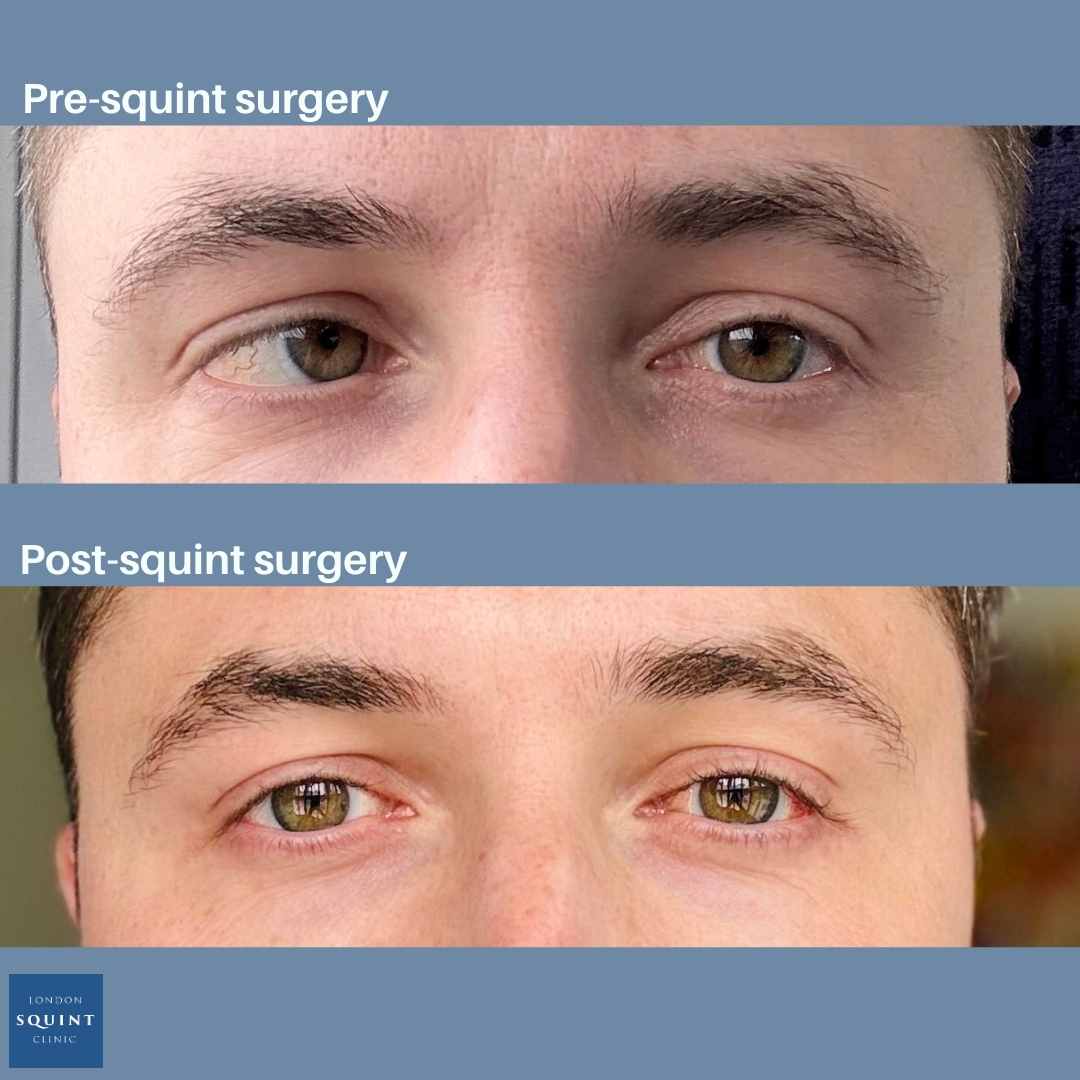
Is it really squint? A common false alarm
Many parents come in convinced their child has squint, when actually the child was simply looking at a near or close-range object — at close range, one eye can appear to turn slightly toward the nose, which looks like squint but isn't. The real test: check what the child is actually looking at. If both eyes are genuinely fixing on the same point, there's no squint, however it might look in a photo. Because this is genuinely hard to judge from a photograph alone, an active in-person exam is the only reliable way to know for sure.
When to get it checked
A baby's eyes occasionally wandering in the first few months of life is often normal. But an eye that constantly turns in, out, up, or down — especially after 3 months of age — needs an eye exam. Head tilting, squinting, or one eye consistently drifting are all worth having evaluated, in children and adults alike.
Non-surgical treatment
Not every squint needs surgery. Glasses can correct the underlying refractive error in many cases. If a lazy eye (amblyopia) has developed alongside the squint, patching or blurring the stronger eye encourages the weaker eye to work — most effective the earlier it starts in childhood.
Surgery
When glasses and patching aren't enough, strabismus surgery adjusts the eye muscles to realign the eyes. In children, it's done under general anaesthesia and usually takes two hours or less, often without an overnight hospital stay. The surgeon repositions the eye muscle attachment using careful pre-surgical measurements, and the eye itself is never removed — a common worry parents have but not what actually happens.
Frequently Asked Questions
Why choose Sadbhaav for squint treatment
Dr. Dhaval Patel, MD (Ophthalmology, AIIMS New Delhi), evaluates both children and adults for strabismus, and explains the full picture — glasses, patching, or surgery — honestly before recommending a path. Read more about Dr. Patel's credentials and experience.
Noticed your child's eyes aren't aligning, or dealing with squint yourself? Book a consultation or message us on WhatsApp.