Common Concerns
Cataract Surgery FAQ
Real questions and honest answers about cataract surgery — the kind of worries patients bring up before their procedure.
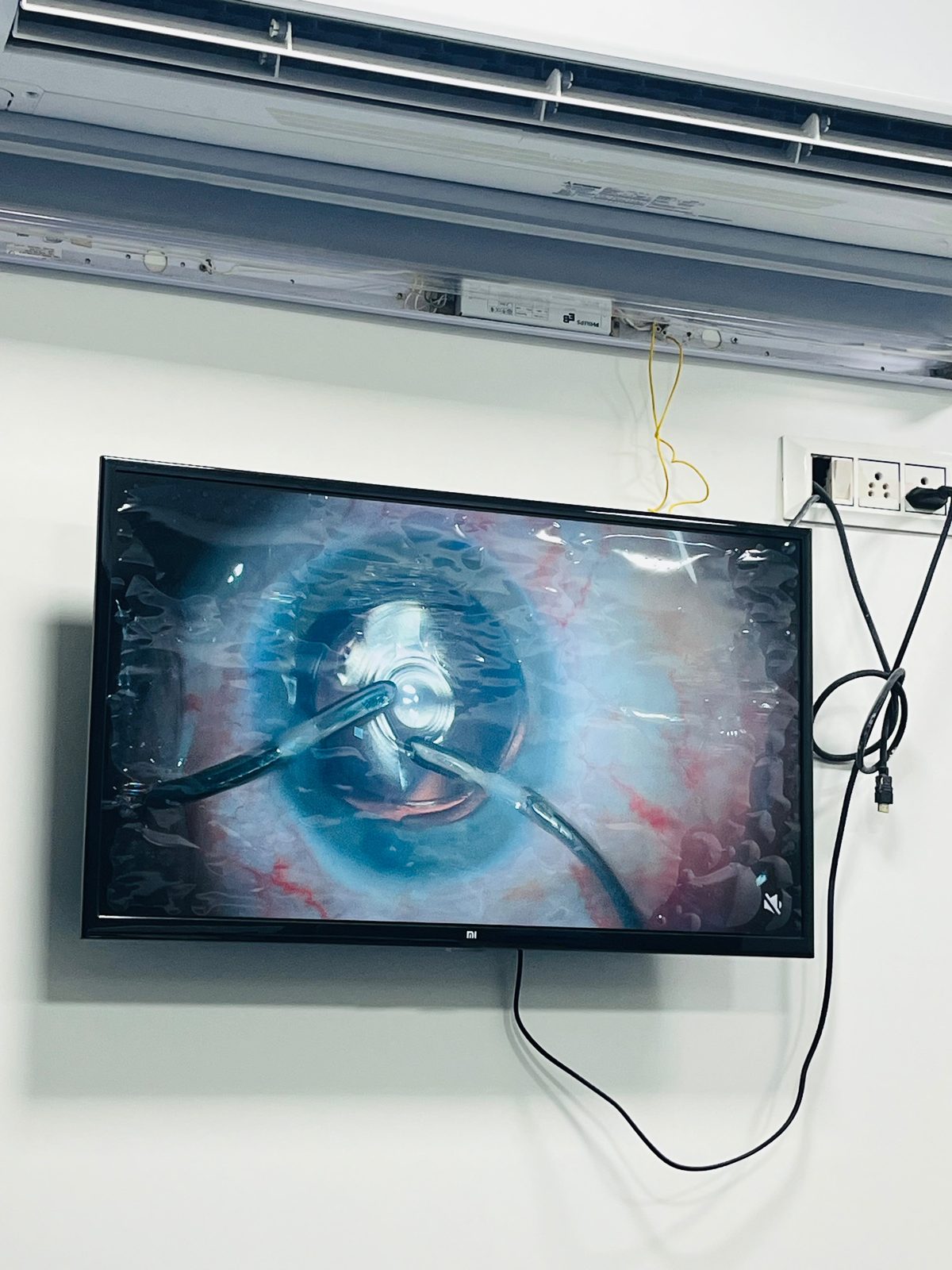
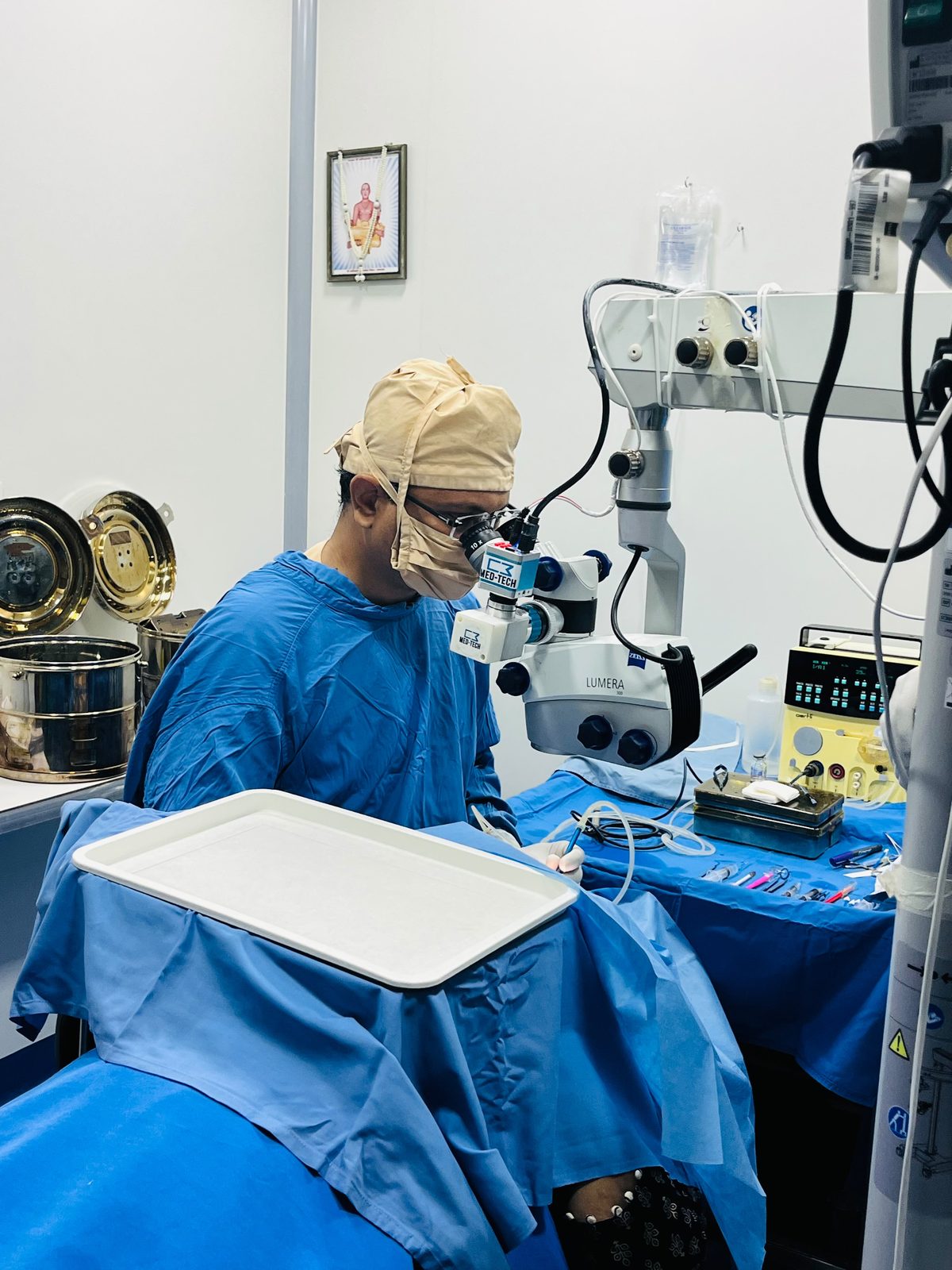
Yes, most cataract surgery is performed under local anaesthesia with the patient awake but comfortable. You won't feel pain, and mild sedation can help you relax if you're anxious. You'll see light and movement, but not the surgery itself in any distressing detail.
A small device called a lid speculum gently holds your eyelids open throughout the procedure, so blinking isn't something you need to worry about. If your eye moves involuntarily, the surgeon simply adjusts — modern cataract surgery is designed to accommodate this.
No — once your natural lens is replaced with an artificial intraocular lens, a cataract cannot return, since there's no natural lens left to cloud again. Some patients later develop a condition called posterior capsule opacification, where the membrane behind the new lens becomes cloudy; this is easily treated with a quick, painless YAG laser procedure, not repeat surgery.
Many patients notice improved vision within a day or two, though full stabilisation typically takes four to six weeks as your eye heals completely.
It depends on the intraocular lens you choose. A standard monofocal lens usually still requires reading glasses for close work. Multifocal, EDOF, or trifocal lenses can reduce or remove this need for many patients. Read our full guide to IOL lens types to understand your options.
No. The eye is fully numbed beforehand, and most patients describe feeling pressure or mild coolness rather than pain, both during and after the procedure.
The procedure itself typically takes only a matter of minutes per eye. Including preparation and immediate post-operative monitoring, most patients are in and out within a few hours as a same-day procedure.
Eyes are typically treated one at a time, usually a week or more apart, so your first eye can heal and you can confirm your visual outcome before proceeding with the second.
Have a question we haven't covered? Book a consultation or message us on WhatsApp.