Pterygium Treatment in Ahmedabad
A pterygium is a raised, wedge-shaped growth of tissue that starts at the corner of the eye and can extend onto the cornea — commonly linked to long-term sun, wind, and dust exposure, and common in people who spend a lot of time outdoors without eye protection.
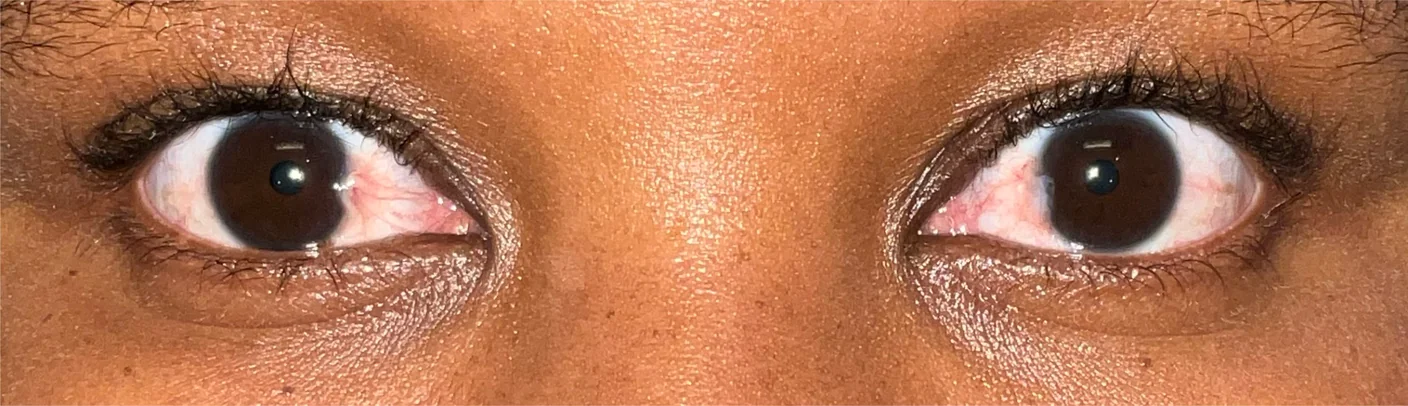
Symptoms of a pterygium
A pterygium often develops slowly and painlessly, but common signs include:
- A visible pink or fleshy wedge-shaped growth on the white of the eye, usually on the side closest to the nose
- Persistent redness or a feeling that something is in the eye
- Dryness, burning, or itching in the affected eye
- Blurred vision if the growth extends onto the cornea and begins affecting its shape
- Difficulty wearing contact lenses comfortably
Not every case needs treatment — many people live comfortably with a small, stable pterygium for years — but any growth that's enlarging, distorting vision, or persistently uncomfortable is worth getting assessed.
When surgery becomes necessary
Not every pterygium needs surgery. Mild cases are often managed with preservative-free artificial tears, cool compresses, and UV-blocking sunglasses. Surgery is recommended when the growth starts distorting the cornea's shape, causing astigmatism, approaching or blocking central vision, or causing persistent irritation that conservative care can't control.
The procedure
Pterygium removal is done under local anaesthesia and isn't painful, though some pressure sensation during the procedure is normal. The standard technique, conjunctival autograft, removes the pterygium and covers the area with a small graft of the eye's own healthy tissue — this significantly reduces the chance of the growth coming back compared to older techniques.
Recovery
Redness and mild discomfort in the first three to four days are normal and gradually improve. Most people with desk jobs return to work within a few days; more physically demanding or outdoor jobs may need one to two weeks. Many patients also notice their dry eye symptoms genuinely improve after surgery, since removing the growth restores a smoother, more even eye surface for tears to spread across.
A few practical notes for the recovery period:
- Eye protection: wear UV-blocking sunglasses outdoors during recovery and for the long term afterward, since sun exposure is a key risk factor for recurrence.
- Water and swimming: avoid getting water directly in the eye and skip swimming for about two weeks.
- Rubbing: avoid touching or rubbing the operated eye while the graft heals.
- Follow-up drops: use prescribed anti-inflammatory drops for the full course, even once the eye feels comfortable, to support healing and reduce recurrence risk.
- Dust and wind: minimise exposure to dusty or windy environments for the first couple of weeks.
Possible complications
Pterygium surgery is generally very safe. The main thing to watch for long-term is recurrence, which the conjunctival autograft technique substantially reduces compared to older methods. Contact the clinic if you notice worsening pain, unusual discharge, or vision changes during recovery — these are uncommon but worth checking promptly.
Frequently Asked Questions
Why choose Sadbhaav for pterygium treatment
Dr. Dhaval Patel, MD (Ophthalmology, AIIMS New Delhi), uses the conjunctival autograft technique to minimise recurrence risk. Read our patient guide on pterygium, or learn about Dr. Patel's credentials and experience.
Noticed a growth or persistent irritation on your eye's surface? Book a consultation or message us on WhatsApp.