Neuro-Ophthalmology in Ahmedabad
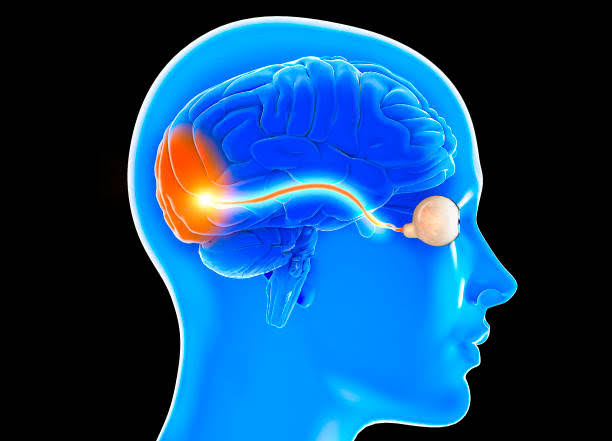
Neuro-ophthalmology deals with vision problems that start in the optic nerve, the nerves that move the eyes, or the parts of the brain that handle vision, rather than in the eye itself. The eye may look normal, yet vision, eye movements or the pupils are affected.
Conditions in this area
- Optic neuritis: inflammation of the optic nerve, often in young adults, with blurred vision, dull colours and pain on moving the eye. Sometimes linked to multiple sclerosis or related conditions.
- Ischaemic optic neuropathy: an "optic nerve stroke", usually sudden painless loss of vision in one eye in older people.
- Giant cell arteritis: inflammation of blood vessels in people over 50 that can blind both eyes unless treated with steroids urgently.
- Papilloedema: swelling of both optic nerves from raised pressure inside the head, with headaches and brief greying of vision.
- Double vision from weakness of the nerves or muscles that move the eyes, including myasthenia gravis (droopy lids and double vision that get worse through the day).
- Visual field loss from a stroke, tumour or other brain condition, often noticed as bumping into things on one side.
- Pupil differences and shaking eyes (nystagmus).
Symptoms that need a prompt check
- Sudden blurred, dim or lost vision, especially in one eye.
- New double vision, or a drooping eyelid with double vision.
- Vision loss with headache, scalp tenderness or jaw pain on chewing, especially over 50.
- Brief episodes of vision loss that recover (they can be a warning of stroke).
- Headache with brief greying of vision, especially on bending or standing up.
- Missing half the vision on one side, in both eyes.
Not every one of these is serious, but each needs examination rather than "wait and see".
How we assess you
- Vision, colour vision and pupil tests: the pupils' reaction to light tells us a lot about the optic nerve.
- Examination of the optic nerve after dilating drops, with photographs.
- OCT scan of the optic nerve and nerve fibre layer, which measures swelling or thinning.
- Visual field test: the pattern of field loss shows where along the vision pathway the problem lies.
- Eye movement measurement for double vision.
- When needed, we arrange blood tests (for example ESR and CRP for giant cell arteritis) and a brain MRI or CT scan, and refer you to a neurologist or physician. Neuro-ophthalmology often means teamwork.
Treatment
Treatment depends on the cause: for example steroids for some kinds of optic neuritis and for giant cell arteritis, treatment of raised pressure in the head, prisms or patching for double vision, and control of blood pressure, diabetes and cholesterol after an optic nerve stroke. Many nerve palsies from diabetes or blood pressure recover over 3 to 6 months. We explain what to expect and coordinate care with your other doctors.
When to come the same day
Sudden vision loss, new double vision with headache or a drooping lid, vision loss with jaw pain or scalp tenderness over 50, or weakness, numbness or difficulty speaking with any vision change: go to an emergency department or come the same day. Some of these are stroke warnings.
Frequently Asked Questions
Why choose Sadbhaav for neuro-ophthalmology
Dr. Dhaval Patel, MD (Ophthalmology, AIIMS New Delhi), examines visual symptoms carefully to find out whether the cause lies in the eye or further along the vision pathway, and arranges scans and specialist care when needed. Read about visual field testing at Sadbhaav or Dr. Patel's credentials and experience.
Experiencing sudden vision changes, double vision, or unusual headaches with visual symptoms? Book a consultation or message us on WhatsApp — some of these symptoms are worth same-day attention.