Dental Implants in Ahmedabad
Dental implants replace missing teeth with an artificial tooth root, usually titanium, that fuses with your jawbone to support a lasting, natural-feeling replacement tooth — a stronger, longer-term option than a bridge or denture for many patients.
Who dental implants are for
Implants are generally suitable for anyone missing one or more teeth who has enough healthy jawbone to support the implant and no untreated gum disease. If bone density is low, a bone graft beforehand can often still make implants possible. A thorough evaluation, including imaging of the jaw, is the only reliable way to know if you're a good candidate.
What the procedure involves
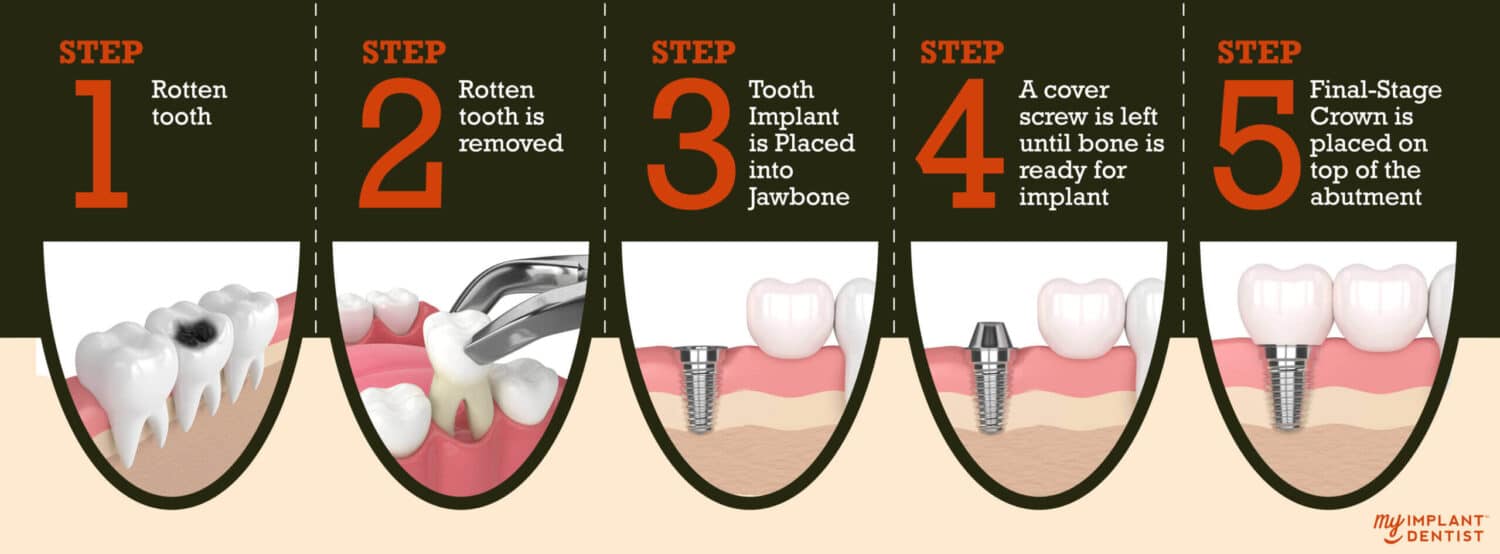
Placing an implant involves numbing the area, then positioning a small titanium post into the jawbone where the tooth root once was. Over the following months, the bone gradually fuses with the implant in a process called osseointegration — this is what gives implants their long-term stability. Once healed, an abutment and a custom-matched crown are attached to complete the replacement tooth.
Recovery
The first few days after placement typically bring mild soreness and swelling, similar to a routine extraction, and usually manageable with simple pain relief. Most people return to normal activity within a few days, while the deeper bone-healing process continues quietly over the following months before the final crown is fitted.
Why choose Sadbhaav for dental implants
Dr. Dhara Patel evaluates each patient's jawbone health and overall candidacy carefully before recommending implants, so you get an honest picture of what will actually work for your mouth. Read more about Dr. Patel's credentials and experience.
Missing a tooth and considering your options? Book a consultation or message us on WhatsApp to find out if implants are right for you.