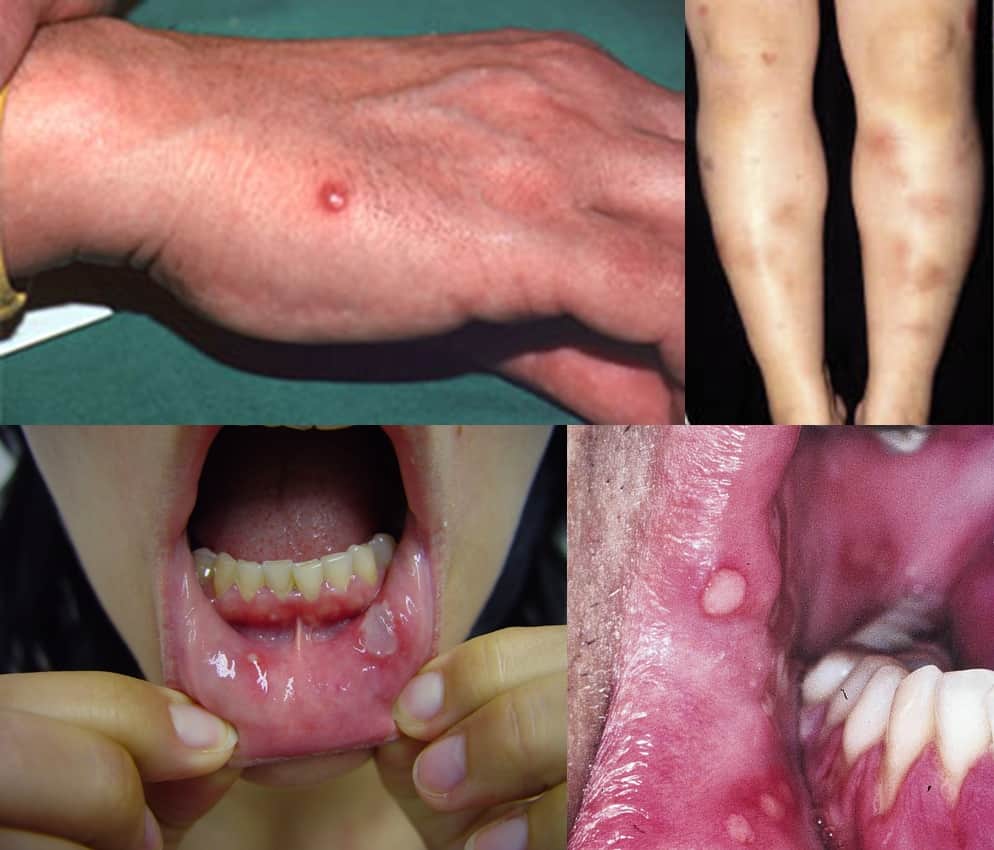
Behcet Disease: The Treatment Revolution
Last updated: September 2026
Behçet's disease uveitis has undergone a genuine treatment revolution over the past two decades — from a disease where blindness was often unavoidable despite treatment, to one where early biologic therapy now offers a real chance of preserving vision, provided it's started promptly enough.
Diagnostic criteria: two systems, different trade-offs
- International Study Group (ISG) criteria: require recurrent oral ulcers plus 2 of: recurrent genital ulcers, eye lesions, skin lesions, or a positive pathergy test
- International Criteria for Behçet's Disease (ICBD), 2014: incorporates neurological and vascular manifestations as additional criteria — improves diagnostic sensitivity, but at some cost to specificity
- Both systems have a real limitation: they don't account for regional variation in baseline disease prevalence, which matters since Behçet's is far more common along the historic "Silk Road" (Turkey, Middle East, East Asia) than elsewhere
Ocular features
- Classic finding: hypopyon uveitis — often mobile, shifting with head position, and can occur with a surprisingly quiet-looking eye
- Occlusive retinal vasculitis is a hallmark, and can be severe and vision-threatening independent of the anterior segment findings
- HLA-B51 positivity increases risk of both uveitis and vascular retinitis specifically — useful supporting evidence when present, though not required for diagnosis
The current treatment paradigm shift: biologics have moved to the front line
The classic "step-up" approach (start with a conventional immunosuppressant, escalate to a biologic only after failure) is being replaced by earlier biologic use, based on accumulating comparative evidence:
- A 2024 randomized head-to-head trial (Lancet Rheumatology) comparing ciclosporin, interferon alfa-2a, and adalimumab (all combined with corticosteroids) for preventing uveitis relapse found adalimumab plus corticosteroids superior to ciclosporin plus corticosteroids in anti-TNF-naive patients with severe Behçet's — while interferon alfa-2a was neither non-inferior to adalimumab nor superior to ciclosporin
- Interferon-alpha, once considered a first-line biologic option (particularly in China, where it remains more available), has been increasingly superseded by anti-TNF agents based on this kind of comparative data
- Current consensus (2025 Asia-Pacific guidelines): anti-TNF agents (infliximab, adalimumab) and interferon-alpha are recommended specifically for refractory or severe ocular disease; adalimumab is the only FDA-approved biologic for non-infectious uveitis generally, with a favorable immunogenicity profile compared to infliximab
- Practical comparative note: infliximab tends to achieve more rapid control of active inflammation, while adalimumab has shown greater visual improvement over a full year in comparative data — a useful nuance when choosing between the two anti-TNF options for a given patient's clinical urgency
- Steroids remain essential for acute control but current guidelines (EULAR, AAO) emphasize limiting their use to short-term, acute-phase management — replaced promptly by steroid-sparing DMARDs or biologic therapy rather than continued as long-term monotherapy
Emerging and adjunctive options
IL-1 and IL-6 inhibitors, apremilast (specifically FDA-approved for Behçet's-associated oral ulcers), and other targeted small molecules are increasingly used in refractory cases — reflecting a broader trend toward mechanism-specific rather than broadly immunosuppressive treatment as the field's understanding of Behçet's cytokine biology (including IL-23/IL-17 pathway activation) has advanced.
Key references: Combinations of immunomodulatory agents for prevention of uveitis relapse in Behçet's disease. Lancet Rheumatol. 2024. | Behçet uveitis: Current practice and future perspectives. 2022. | International consensus and guidelines on managing ocular Behçet's disease (AAPPO/APVRS/APSOII/ARI). 2025.
📘 Want the exam-ready deep dive? This topic, and much more is covered in Ophthalmology Explorer (A High-Yield Clinical Reference for Ophthalmology Residents, Fellows & Board Exams) — available on Kindle. See all my books.
Want to know more about treatment? Read about Corneal Topography at Sadbhaav or book a consultation with Dr. Dhaval Patel.