Intermittent Fasting and Eye Health
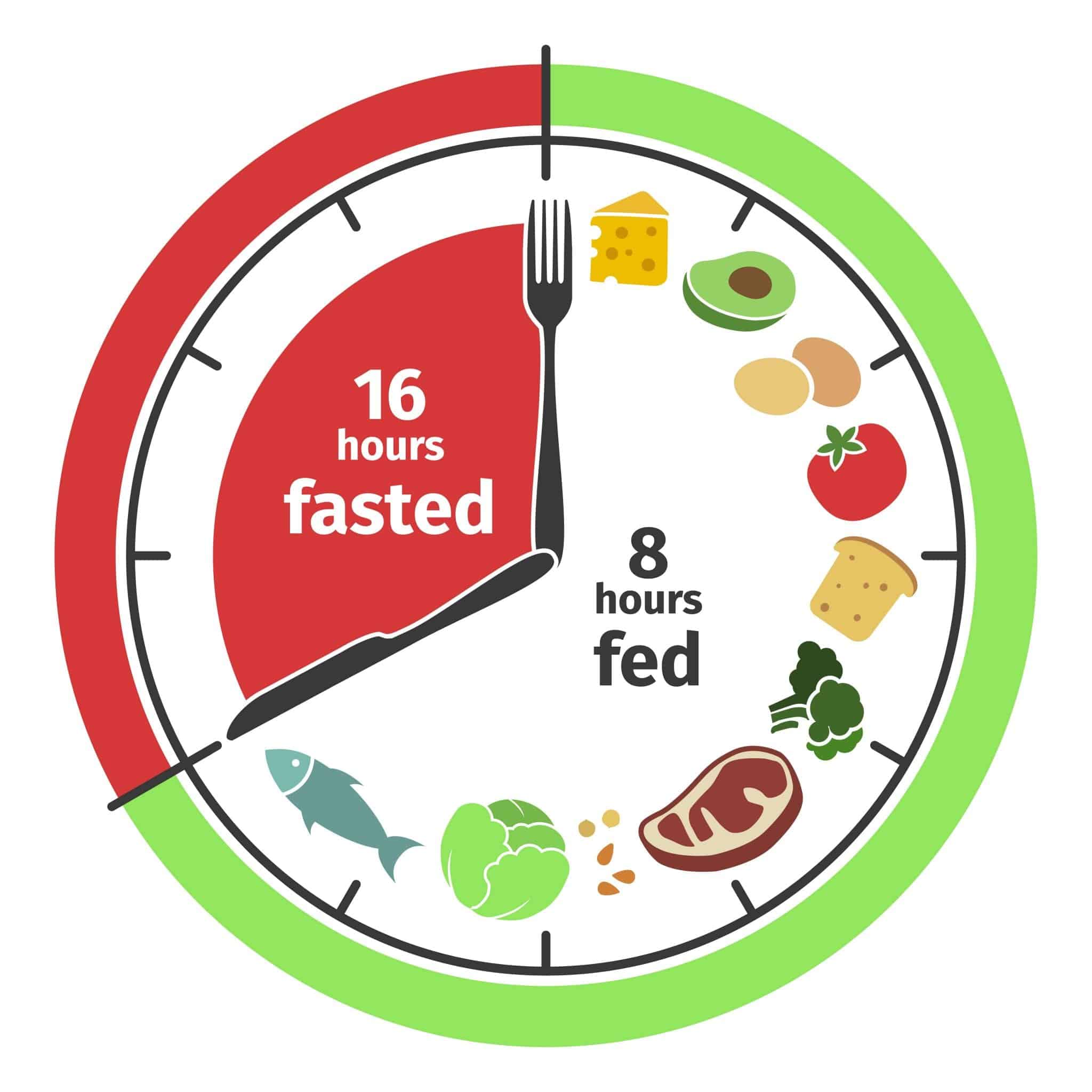
Intermittent fasting means eating only within certain hours or on certain days, for example a 16:8 pattern (eating within an 8-hour window) or fasting on two days a week. Religious fasts such as Ramadan, Navratri and Jain fasts are other forms of fasting. Many people ask whether fasting is good or bad for the eyes. Here is what is known, and what is not yet proven.
What the research shows so far
Most of the evidence about fasting and eye health comes from animal studies or small, short human studies. There are no large trials showing that intermittent fasting prevents or treats eye disease, so it should not replace your eye treatment.
| Eye condition | What is known |
|---|---|
| Diabetic retinopathy | Weight loss and better blood sugar control protect the eyes, and fasting can help some people achieve them. In animal studies, fasting reduced inflammation and abnormal blood vessel changes in the retina. In people, the eye benefit is not proven directly. A very rapid fall in blood sugar can sometimes make diabetic retinopathy worse for a while, so people with retinopathy should have their eyes checked when changing their diet or medicines. |
| Glaucoma and eye pressure | Studies during Ramadan fasting found only small changes in eye pressure, which are not important for most people. Fasting is not a treatment for glaucoma. Glaucoma drops must still be used on time; if you are fasting, ask your doctor how to time them. |
| Dry eye | Long fasts without water can reduce tear production and make dry eyes feel worse. Drink enough fluids when you are allowed to, and use lubricating drops if needed. |
| Macular degeneration (AMD) | A healthy weight and a diet rich in green vegetables and fish are linked with lower AMD risk. There is no proof that fasting itself prevents AMD. |
| Uveitis and other inflammation | Early research in animals suggests diet and gut bacteria may affect inflammation, but this is not ready for use in patients. |
| Spectacle number (refractive error) | Fasting does not change your glasses number, though very high or low blood sugar can make vision fluctuate for a short time. |
Who should be careful
- People with diabetes on insulin or tablets that can cause low blood sugar must talk to their physician before fasting. Low blood sugar can cause blurred vision, dizziness and falls.
- People with glaucoma should not skip drops during a fast; ask your eye doctor how to schedule them. See using eye drops during fasting.
- People with dry eye may feel worse during long fasts without water.
- Pregnant or breastfeeding women, children, older people who are frail, and people with eating disorders should not fast for health reasons without medical advice.
- If you are planning eye surgery, follow the fasting instructions your surgeon gives and tell them about any diet you are following.
The bottom line
Intermittent fasting may help some people lose weight and control blood sugar and blood pressure, and these help protect the eyes. But fasting has not been proven to treat any eye disease. Keep taking your eye treatment, have regular eye check-ups, and discuss any big change in diet with your doctor, especially if you have diabetes.
This page gives general information to help you understand your eyes. It does not replace an eye examination: please see an eye doctor for advice about your own eyes. — Dr Dhaval Patel, MD (AIIMS, New Delhi)